
Children spend most of their day sitting in classrooms, following routines, and focusing on academic tasks. While that structure is important, it leaves little room for movement, energy release, and hands-on development. That’s where extracurricular activities for kids play an important role.
Not all children’s extracurricular programs offer the same benefits. Physical activities, in particular, give kids an outlet to move, build confidence, and develop skills that carry into school and everyday life. For many families, the goal isn’t just to keep kids busy after school; it’s to help them grow.
What Actually Falls Under Physical Extracurricular Activities for Kids?
Physical extracurricular activities for kids include any structured activity that gets children moving while helping them build new skills. These can include:
- Team sports like soccer or basketball
- Gymnastics and swimming
- Dance programs
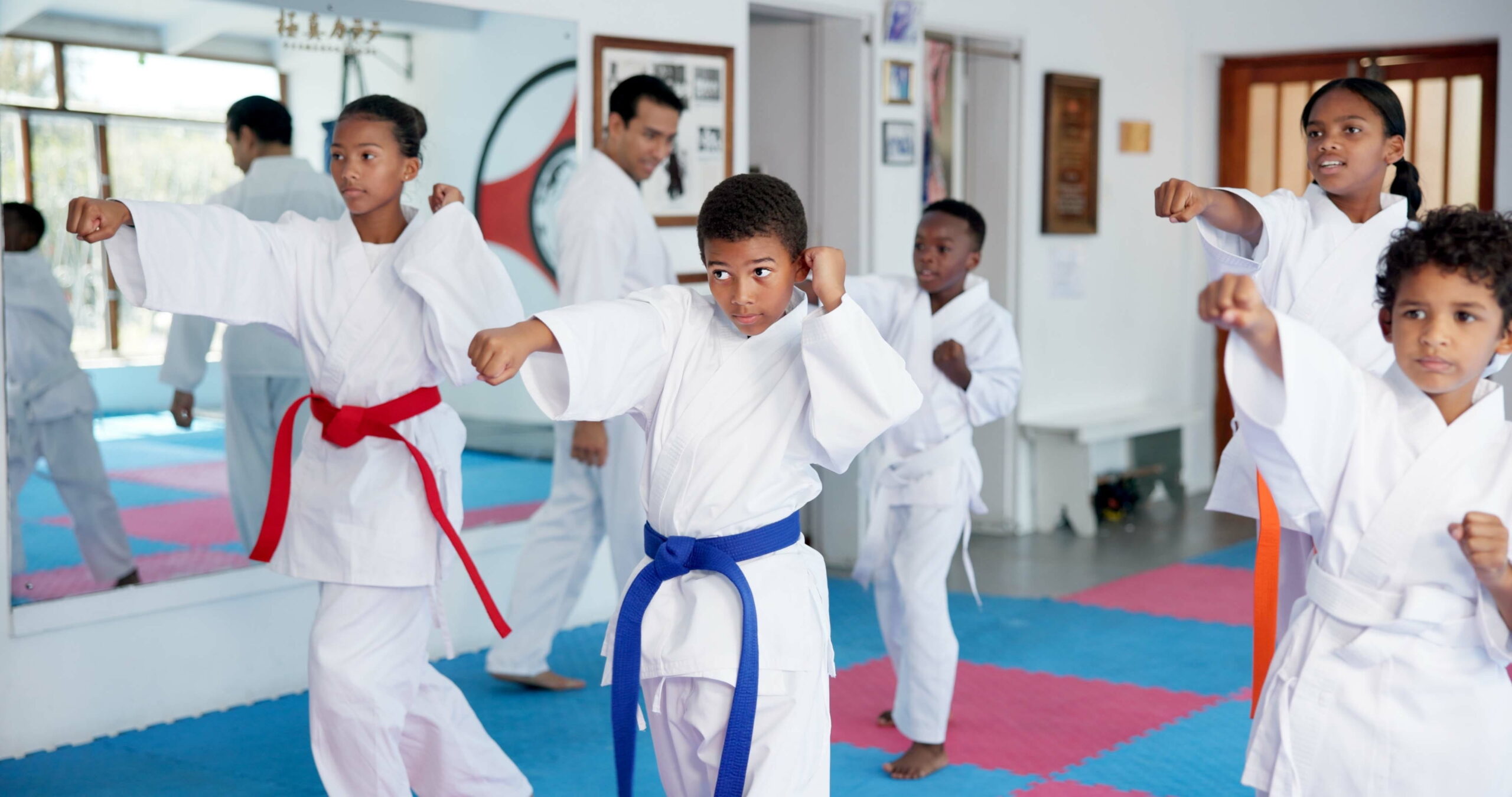
- Martial arts training
These activities go beyond simple play. They create opportunities for children to challenge themselves, improve coordination, and stay active in a structured environment.
The Benefits Go Beyond Physical Health
While staying active is important, the impact of physical extracurricular activities for kids reaches much further.
Children who regularly participate in movement-based activities often experience:
- Improved focus and attention in school
- Increased confidence through skill development
- Better emotional regulation
- Stronger social skills through interaction with peers
- A healthier routine with less screen time
Physical activity helps children reset after a long school day. It gives them a productive outlet for energy while reinforcing positive habits.
Why Structure Makes Physical Activities More Effective
Not all extracurricular activities for kids provide the same level of growth. Programs that include structure, consistency, and clear progression tend to deliver stronger results.
Structured after-school programs for kids provide:
- A consistent schedule children can rely on
- Goal-setting opportunities and measurable progress
- Guidance from experienced instructors
- A balance of discipline and encouragement
This kind of environment helps children stay engaged while building skills over time, rather than jumping from one activity to another without direction.
Physical Activity and After-School Programs Go Hand in Hand
For many families, after-school programs for kids offer the best opportunity to combine supervision with development. Instead of unstructured time at home, children can participate in activities that keep them active and focused.
Parents searching for an after-school program that they can trust often look for options that provide both physical engagement and personal development. Programs that combine movement with structure help children build confidence while staying active in a safe setting.
A Structured Approach to Physical Activity
Martial arts is one example of a physical activity that combines movement with structure in a meaningful way. Students work through skill progression, learn discipline, and gain confidence as they improve over time.
At Alamo Heights Combat Club, our programs are designed to support both physical and personal growth. Through guided instruction and consistent training, children develop focus, resilience, and respect while staying active after school.
Families interested in structured, movement-based activities can explore our kids’ jiu-jitsu classes and wrestling classes for kids to learn more about how we support long-term development.
Supporting Growth Through Movement
Physical extracurricular activities for kids do more than improve fitness. They help shape habits, build confidence, and create a strong foundation for future success.
When children have access to structured, engaging activities after school, they gain more than just a way to pass the time—they gain skills that support them in every area of life.

